Gum Disease Treatment for Patients With Dry Mouth
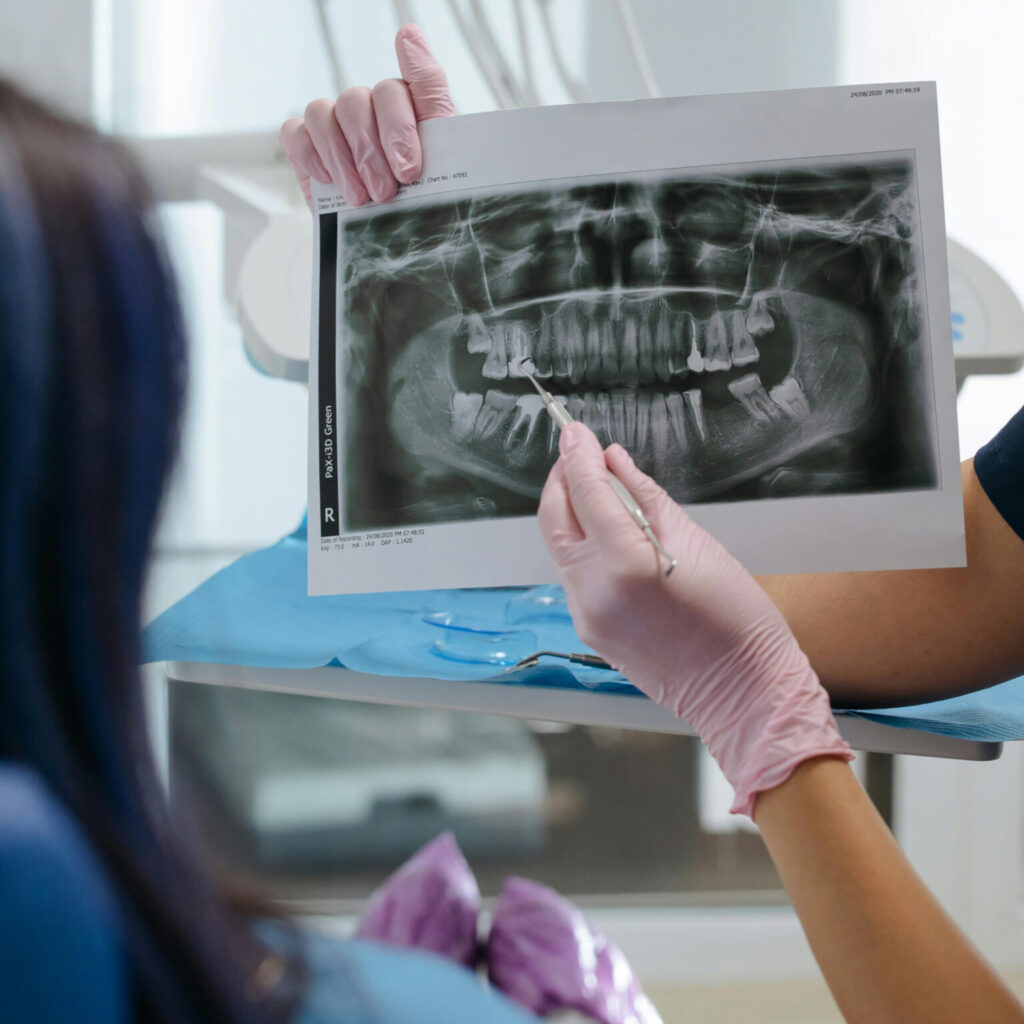
Dry mouth changes the entire environment of the mouth, and that has real consequences for gum health. Saliva is not just there for comfort. It buffers acids, helps wash away food debris, limits bacterial overgrowth, and supports the tissues that line the mouth. When saliva flow drops, plaque becomes stickier, soft tissue becomes more fragile, and the gums often react faster to irritation. For patients dealing with periodontal problems, that combination can make treatment more complicated, slower, and sometimes more uncomfortable than expected.
In practice, people with dry mouth often arrive with a mixed picture. Some have obvious gingivitis with red, puffy margins and bleeding during brushing. Others have deeper periodontal disease, recession, persistent bad breath, sensitivity, or decay near the gumline. A fair number are already trying hard to keep their mouths clean, yet they still feel like they are losing ground. That frustration is understandable. When the mouth stays dry, even a solid home routine may not feel like enough unless the dryness itself is addressed alongside gum disease treatment.
Why dry mouth raises the stakes
Dry mouth, or xerostomia, may happen because of medications, autoimmune disease, cancer treatment, mouth breathing, dehydration, poorly controlled diabetes, or simple age related changes in salivary flow. Many patients take more than one medication that contributes to dryness. Antidepressants, antihistamines, blood pressure medicines, bladder medications, and some sleep aids are frequent culprits. It is not unusual to see someone whose gum health declined noticeably after a medication change, even though brushing habits stayed the same.
The gums suffer because plaque bacteria thrive when the natural rinsing action of saliva is reduced. Tissue irritation becomes more persistent. Food packs more easily around the teeth. Plaque also tends to mature into calculus faster in some patients, especially near the salivary gland ducts, while others instead deal with ropey saliva and sticky biofilm that clings to root surfaces. Dryness can also make oral hygiene painful. Brushing sore gums in a dry mouth may feel abrasive, so patients unconsciously shorten brushing time or avoid flossing the areas that bleed.
That cycle matters because gum disease treatment depends on disrupting the bacterial load consistently over time. The dental office can remove deposits and reduce pocket depth, but if the mouth remains chronically dry and inflamed, relapse is more likely.
The first question is not the gum disease, it is the saliva problem
A common mistake is to focus only on the visible gum inflammation and skip a serious look at why the mouth is dry. If the root cause is ignored, treatment results tend to plateau. Careful history taking often reveals patterns that matter. Patients may say they wake up with their tongue stuck to the roof of the mouth, sip water through the night, struggle to swallow dry foods, or rely on mints constantly. Some report hoarseness, burning sensations, or recurring mouth sores. Others have had a sudden increase in cavities around existing fillings, which is a classic sign that saliva is no longer doing its usual protective work.
Medication review is particularly important. A patient might be taking three or four mild drying medications that together create a severe effect. In those cases, coordination with the prescribing physician can help. No dentist should advise a patient to stop a medication independently, but there are times when a physician can adjust dose timing, substitute a less drying option, or confirm whether the symptom is likely temporary.
Dry mouth also deserves a broader medical lens when the history points that way. Sjögren’s syndrome, uncontrolled blood sugar, radiation to the head and neck, and chronic nasal obstruction with mouth breathing all deserve attention. Sometimes the dental findings are the clue that sends a patient for the medical workup they needed months earlier.
How gum disease treatment changes when the mouth is dry
Standard periodontal care still forms the backbone of treatment. Plaque removal, calculus removal, careful debridement below the gumline, home care coaching, and maintenance visits remain essential. The difference is that the plan needs to be gentler, more tailored, and more preventive.
Scaling and root planing can be very effective in patients with dry mouth, but tissues are often more tender and prone to post treatment soreness. Topical anesthetic or local anesthetic may be needed more often, not because the disease is always worse, but because the mucosa is less resilient. The clinician also has to work thoughtfully around root surfaces that may already be sensitive due to recession and reduced salivary protection.
For patients with mild gingivitis, a focused cleaning and a better moisture support plan may reverse inflammation quickly. For moderate or advanced periodontitis, treatment often extends beyond one deep cleaning. Reassessment after several weeks is critical. Some pockets shrink nicely once the bacterial burden drops. Others remain deep, particularly where dry mouth has allowed plaque to persist in hard to reach recesses. In those cases, additional localized therapy, more frequent maintenance, or referral to a periodontist may be the right call.
There is also a comfort factor that should not be underestimated. A patient with normal saliva can often tolerate a robust home care routine and heal predictably. A patient with preventive gum disease treatments severe dryness may need tools and techniques adjusted to avoid making the tissues feel raw. If the regimen feels punishing, adherence falls. Good care has to be sustainable.
What effective home care looks like in the real world
The best home routine for this group is not necessarily the most aggressive one. It is the one the patient can do thoroughly every day without increasing pain or dryness.
Soft bristles matter. So does a nonfoaming, less irritating toothpaste when sodium lauryl sulfate products sting. Interdental cleaning remains important, but floss is not always the easiest option for every dry mouth patient. Small interdental brushes, water flossers, or floss holders can make a huge difference, especially for patients with reduced dexterity or sensitive gum margins. The method matters less than consistency and effectiveness.
Hydration helps, but “drink more water” is incomplete advice. Small, frequent sips can improve comfort, yet water alone will not replace the protective proteins and minerals in saliva. Patients often do better when water intake is paired with saliva substitutes, moisturizing gels, or xylitol containing products that stimulate residual salivary flow. Sugar free gum can help some people, though not everyone tolerates it, and it is not appropriate for patients with jaw pain or certain dental restorations that make chewing uncomfortable.
One practical challenge comes up often in older adults. They brush right before bed, then use cough drops or lozenges for dryness through the night. If those products contain sugar or acidic flavoring, the mouth is bathing in risk while saliva is at its lowest. Substituting a neutral, sugar free dry mouth product can protect both gums and teeth.
Signs that the treatment plan needs adjustment
Some patients assume gum disease treatment has failed when symptoms linger, but the issue is often that the plan has not yet been adapted enough to the dry mouth itself. A few warning signs deserve quick reassessment:
- Gums still bleed daily after several weeks of careful cleaning.
- Mouth dryness worsens enough that brushing becomes painful.
- New root sensitivity appears after periodontal treatment and does not settle.
- Cavities begin forming near the gumline during active gum therapy.
- Nighttime mouth breathing keeps undoing progress.
Each of these points suggests a need to revisit the strategy. Sometimes the answer is as simple as changing oral hygiene products. Sometimes it means shorter recall intervals, prescription fluoride, an occlusal guard if the patient is clenching in response to discomfort, or a referral for airway or medical evaluation.
The role of antimicrobial rinses, and where caution helps
Patients often expect a prescription rinse to solve the problem. Antimicrobials can be useful, but they are not a complete answer, and some products are poorly tolerated in a dry mouth. Alcohol containing mouthrinses commonly sting and can make dryness feel worse. Even products marketed as “freshening” may be too harsh for already irritated tissues.
Chlorhexidine may be prescribed in selected cases, especially when inflammation is pronounced or home plaque control is limited for a short period after treatment. It can reduce bacterial load effectively, but it should be used judiciously. Long term use may cause staining, alter taste, and in some patients increase irritation. It is better viewed as a temporary tool than a daily lifestyle rinse.
Neutral pH, alcohol free rinses designed for dry mouth are often more comfortable. They do not replace debridement, but they can support healing by making it easier for patients to keep tissues clean without pain. The same logic applies to gels and sprays. Their greatest value is sometimes indirect. If a moisturizing gel used at bedtime allows a patient to wake up without severe dryness, morning brushing becomes easier, and that consistency pays off.
Fluoride becomes part of gum care
For patients without dry mouth, conversations about gum disease and cavity prevention can feel separate. In a dry mouth patient, they overlap. Exposed roots are common in periodontal disease, and root surfaces demineralize much faster than enamel. After scaling and root planing, a patient may suddenly notice sensitivity on roots that are now cleaner but less protected. If saliva is scarce, the risk of root decay rises sharply.
That is why prescription strength fluoride often belongs in the care plan. It helps reduce sensitivity and protects vulnerable root surfaces while periodontal tissues are healing. This is one of those areas where practical dentistry matters more than slogans. A patient can have improved pocket measurements and still be headed toward avoidable restorative problems if fluoride was never addressed.
Professionally applied varnish can also help, particularly after periodontal instrumentation or in patients who are struggling with cervical sensitivity. It is a small step with outsized benefit in the right case.
Scheduling matters more than patients expect
When the mouth is dry, six month cleanings are often not enough. Periodontal maintenance every three or four months is common, and in some cases even that interval needs to be tightened temporarily. Patients sometimes resist this at first, especially if they associate frequent visits with “more disease.” Framed correctly, it makes sense. The office is interrupting the bacterial cycle before it rebuilds in an environment that no longer has normal salivary defenses.
Timing within the day can matter too. Some patients are driest in the early morning or late afternoon, often depending on medications. Scheduling appointments when the mouth feels least dry can improve comfort and make treatment more effective. Asking a patient to hydrate well beforehand, avoid caffeine for a few hours if it worsens dryness, and use their usual saliva support product before the visit can make the appointment go more smoothly.
A patient example that captures the balancing act
A woman in her late sixties came in with bleeding gums, burning mouth symptoms, and several areas of recession. She had recently started two new medications, one for overactive bladder and one for sleep, both known to reduce salivary flow. She was brushing often because her mouth felt unpleasant, but she had stopped flossing because “everything felt shredded afterward.” Clinically, she had generalized inflammation, moderate plaque retention around the lower front teeth, and early root caries beginning near one premolar.
Her treatment did not start with a lecture about flossing. It started with acknowledging that her routine had become painful. We changed her toothpaste, added a dry mouth gel for bedtime, substituted interdental brushes for floss in the tightest areas, applied fluoride varnish, and completed periodontal debridement in stages so the tissues could recover more comfortably. Her physician later adjusted one of the medications. Within a couple of months, the gums looked calmer, bleeding dropped sharply, and her home care improved because it no longer hurt. That pattern repeats often. Comfort is not secondary. It is part of effective gum disease treatment.
Mouth breathing can sabotage otherwise good care
Dry mouth is not always about medications or gland dysfunction. Chronic mouth breathing can dry the front gums severely, especially during sleep. Patients with nasal congestion, enlarged turbinates, deviated septum, allergies, or sleep disordered breathing often show a specific pattern of dryness and inflammation. The upper and lower anterior gums may stay red despite decent brushing because they are exposed to moving air for hours every night.
If a patient wakes with a dry mouth every morning but feels better later in the day, mouth breathing should be on the shortlist. In those situations, the periodontal plan may improve only partially until the airway issue is addressed. Sometimes a simple recommendation to seek evaluation from an ear, nose, and throat specialist or discuss sleep symptoms with a physician moves the case forward more than another round of polishing instructions.
Diet advice needs nuance
When people feel dry, they often graze on foods and drinks that seem soothing. Sipping juice, sports drinks, sweetened tea, or sucking on candies can become an unconscious coping strategy. That pattern is rough on gum health and even worse for root surfaces. But blanket restriction rarely works if no substitute is offered.
Useful counseling sounds more like problem solving than rule recitation. If Gum Disease Treatment the patient relies on cough drops, find a sugar free dry mouth lozenge. If they need a drink nearby at work, choose water or an unsweetened option rather than acidic flavored beverages. If chewing gum helps, select xylitol based gum when appropriate. These are small substitutions, but they can lower bacterial fuel while improving comfort.
When advanced periodontal therapy enters the picture
Not every dry mouth patient can be managed with non surgical therapy alone. Deep residual pockets, furcation involvement, progressive bone loss, or areas that continue to suppurate may call for surgical periodontal treatment or specialist care. Dry mouth does not rule that out, but it does affect planning and postoperative management.
Healing may feel slower because tissues are less lubricated and more delicate. Sutured areas can feel tighter. Patients often need more explicit instructions on moisture support during recovery. Plaque control around healing sites must be protective rather than overzealous. In other words, the biology of periodontal surgery still works, but the patient experience can be tougher if dryness is not anticipated.
This is also where expectations matter. A patient with severe salivary dysfunction may achieve stability rather than a textbook ideal. Stability is still a meaningful success. Arresting attachment loss, reducing bleeding, controlling discomfort, and preventing new decay can dramatically improve quality of life, even if the mouth never behaves like one with normal saliva.
What patients can do between visits
Most patients benefit from a simple, repeatable plan rather than a shelf full of products. The exact routine depends on severity, but the following approach is often practical:
- Clean the teeth gently but thoroughly twice daily with a soft brush and a low irritation toothpaste.
- Use one interdental method that you can tolerate consistently, floss, interdental brushes, or a water flosser.
- Support moisture with frequent water, saliva substitutes, or xylitol products that do not irritate the mouth.
- Use fluoride regularly if roots are exposed or sensitivity is present.
- Return for maintenance on schedule, even if the gums seem better.
The reason this works is not that it is elaborate. It works because each part reinforces the others. Cleaner teeth reduce inflammation. Better moisture makes cleaning easier. Fluoride protects the roots that dry mouth leaves vulnerable. Regular maintenance catches setbacks before they become expensive.
The emotional side is real
Patients with chronic dry mouth often feel dismissed because dryness sounds minor until you live with it. They may struggle to eat crackers, speak for long periods, wear dentures comfortably, or sleep through the night without waking for water. Add bleeding gums, sensitivity, and repeated dental visits, and the burden starts to wear people down.
Good periodontal care for this group includes listening carefully. If someone says a product burns, believe them and find another option. If they say the evening routine is the hardest because medications peak at night, build the plan around that. Some of the best outcomes come from modest adjustments that fit the patient’s life rather than idealized routines no one follows for long.
Where results usually come from
The patients who do best are rarely the ones with the most complex products. They are the ones whose dry mouth is taken seriously from the start, whose risk factors are identified, and whose gum disease treatment is paced realistically. Periodontal therapy, fluoride protection, moisture support, medical coordination, and close maintenance together can make a substantial difference.
Dry mouth does not guarantee severe gum disease, but it removes a major natural defense. That means treatment has to be more deliberate. When the plan is tailored well, gums can become healthier, bleeding can drop, sensitivity can settle, and disease progression can often be slowed or stopped. The key is to treat the environment, not just the plaque.
Dental Group Of Beverly Hills
Address: 8641 Wilshire Blvd #125, Beverly Hills, CA 90211
Phone number: +13109296335
FAQ About Gum Disease Treatment
How to improve gum health quickly?
To improve gum health quickly, eliminate plaque buildup by brushing for two full minutes twice a day at a 45-degree angle to the gumline. Floss daily to clean under the gumline, and rinse with an antimicrobial, alcohol-free mouthwash. For immediate relief of soreness, use a warm saltwater rinse.
What is the fastest way to cure gum disease?
To quickly cure early-stage gum disease (gingivitis), eliminate the plaque buildup causing the inflammation. Brush gently but thoroughly for two minutes twice daily, floss daily, and use an antibacterial mouthwash or a warm saltwater rinse. However, if tartar has hardened, professional treatment is necessary.
How do I treat my gum disease at home?
You can treat early gum disease at home by practicing strict daily oral hygiene, rinsing with salt water or antibacterial mouthwash, and quitting smoking. True gum disease (especially advanced forms like periodontitis) cannot be fully cured at home once tartar forms, and you must see a dentist for professional cleanings.